BHP Short-Term
Stabilization for Youth Transitioning From Crisis or Higher Levels of Care

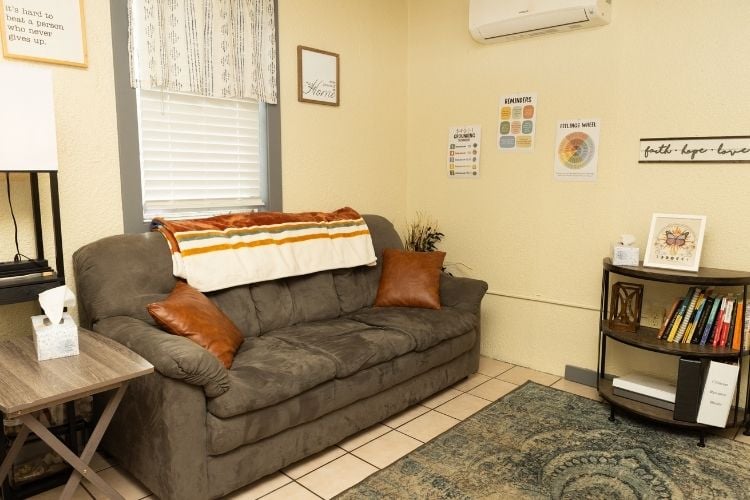

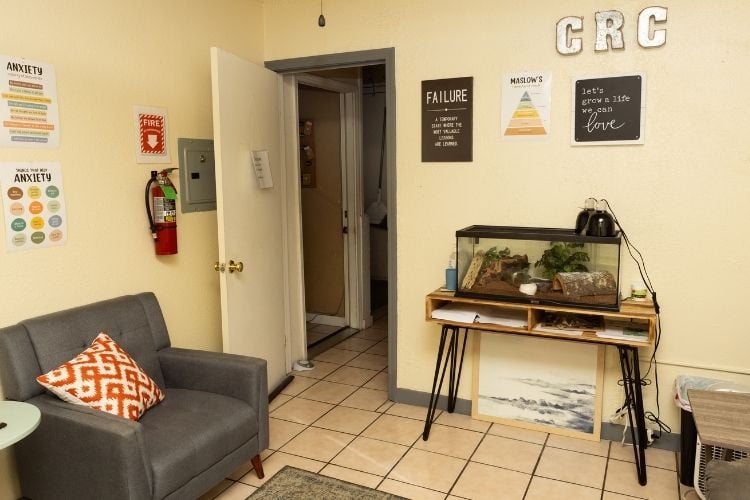
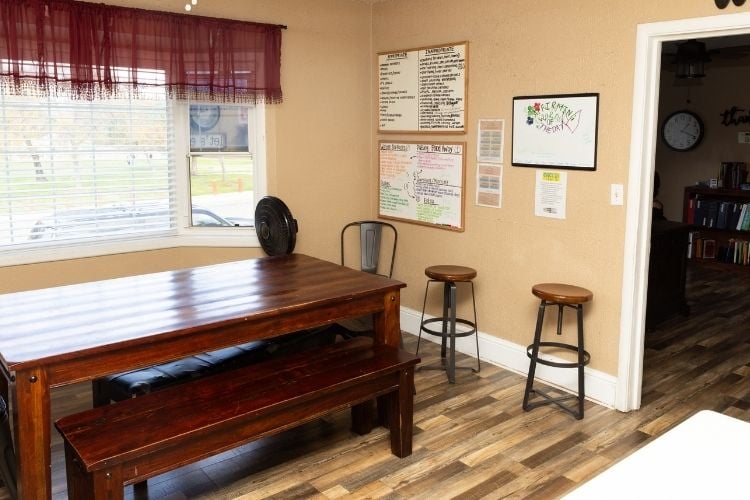
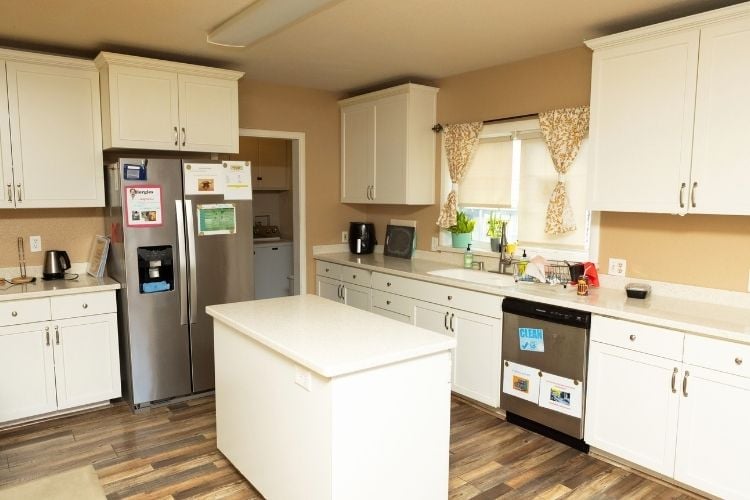

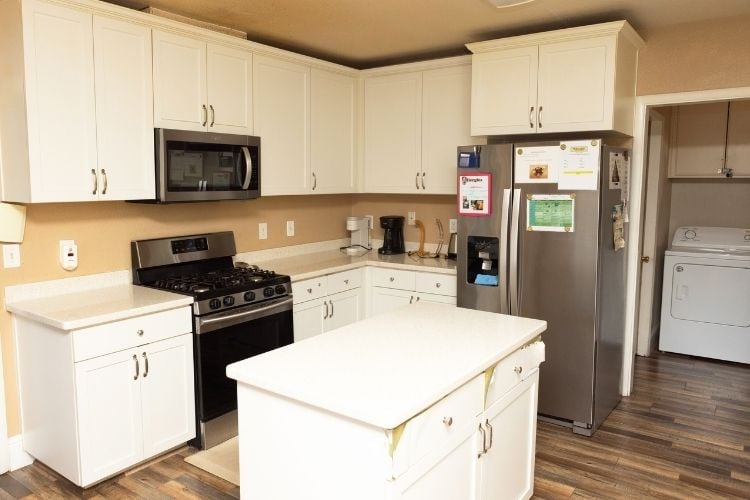


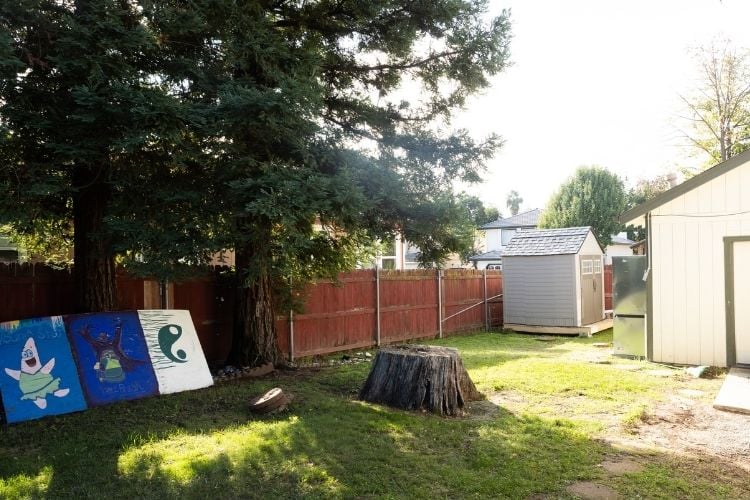
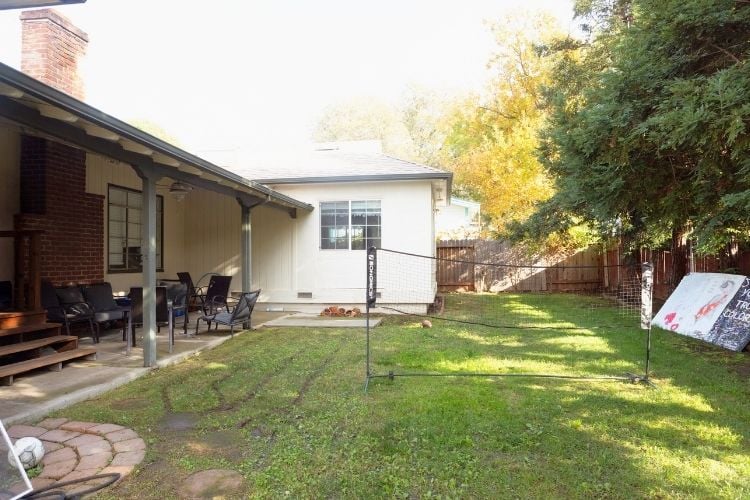


Who This Program Supports & What Makes It Unique
BHP Short-Term provides a short-term, typically 30 days or less, stabilizing environment for co-ed youth ages 12–17 who are navigating a difficult moment and need a safe place to pause and regroup.
Many teens arrive during periods of heightened stress or transition, and this program offers a calm, structured setting where they can temporarily step away from overwhelming circumstances and feel supported by a caring, trauma-informed team.
What makes BHP Short-Term unique is its role as a bridge—offering youth and families a moment of relief while preparing them for their next steps. Staff prioritize consistency, reassurance, and connection as they help teens regain their footing and work toward returning home or transitioning to other supports with greater clarity and stability.
Our Purpose & Priorities
- Stabilize emotional and behavioral crises in a safe, supportive environment
- Help youth regain a sense of grounding and control
- Reintroduce safety, predictability, and healthy routines
- Encourage open communication between teens and caregivers
- Coordinate next steps with hospitals, providers, and community partners
- Support families as they prepare for reunification or ongoing services

Our Purpose & Priorities
- Create a safe, predictable space for healing and reflection
- Support emotional and behavioral stabilization
- Strengthen communication and reconnection with family
- Foster healthy coping strategies and self-regulation
- Promote academic engagement and credit recovery
- Prepare youth for a successful transition home or to a lower level of care
Care, Resources & Daily Supports
- Short-term residential crisis care
- Individual, group, and family counseling
- 24/7 trauma-informed supervision and crisis support
- Emotional regulation and safety planning assistance
- Medication management, with psychiatric care options available
- Caregiver communication and reunification support
- Collaboration with hospitals and referring providers
- Predictable daily routines to reduce stress and support recovery
- Recreational and therapeutic activities for engagement
- Referrals to long-term or community-based services